Much like the rest of the world, Chinese people identify heavily with their province or region of origin. They might introduce themselves as “Chinese” to foreigners, but to their countrymen, identity is largely defined by one’s regional roots. Similar to how Americans say they’re from “New York City,” “California,”or “Texas”, Chinese people do the same —immediately establishing a basis of their general core identity. A Chinese person’s place of origin (老家) is a marker of their non-Mandarin mother tongue (方言), beliefs, values, sense of humor, food, etc.
This post will cover the Three Major Chinese Civilizations (中国三大文明) from ancient times, and their relations with modern day culture. I will be focusing on the Han Chinese majority, as I am regrettably not educated enough on the histories and cultures of ethnic minorities such as Mongolia, Xinjiang, and Tibet. When I learn more about them, I’ll dedicate separate blog posts to their stories.🫶
make it a truly unique case—matched only by India. Despite its complexity, Han Chinese civilization (中华文明) is generally believed to be categorized into three major civilizations.
As we all know, civilizations tend to develop around major bodies of fresh water — usually rivers, and China is no different. Let us take a deep dive (haha) into the three major ancient Chinese civilizations.
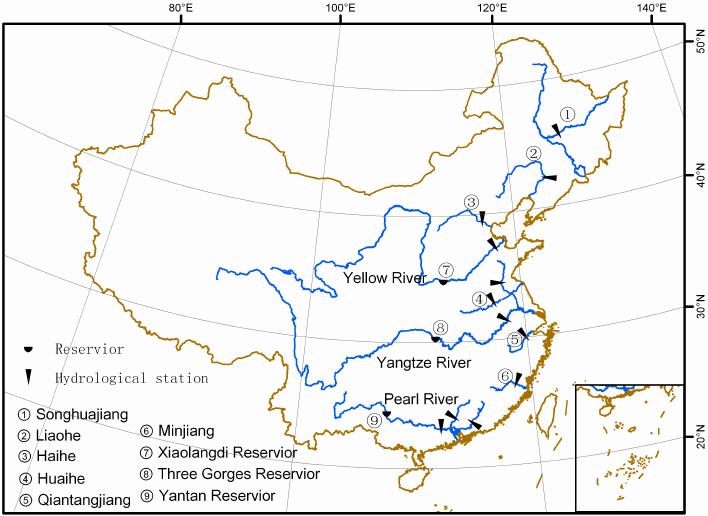
Yellow River (north), Yangtze River (central), and Pearl River (south)
Northern China -Yellow River Civilization (黄河文明): Beijing 北京, Henan 河南, Shanxi 山西, Shaanxi 陕西, etc.
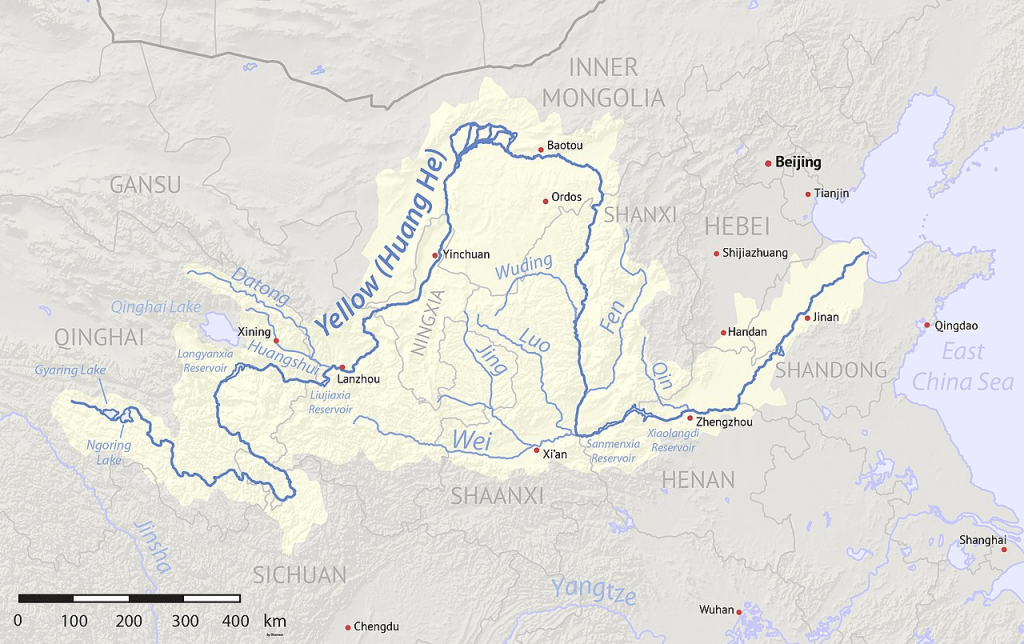
Yellow River Region
If you have read my post about China’s Legacy, then you’ll know that the oldest Chinese civilization is the Yellow River Civilization, which started around 3000 BCE. It is the home to the earliest forms of “dynasties” (Xia, Shang, Zhou). Yellow River is known as the Mother River (母亲河 Mu Qin He) to Chinese people, as it is the cradle of Chinese civilization.
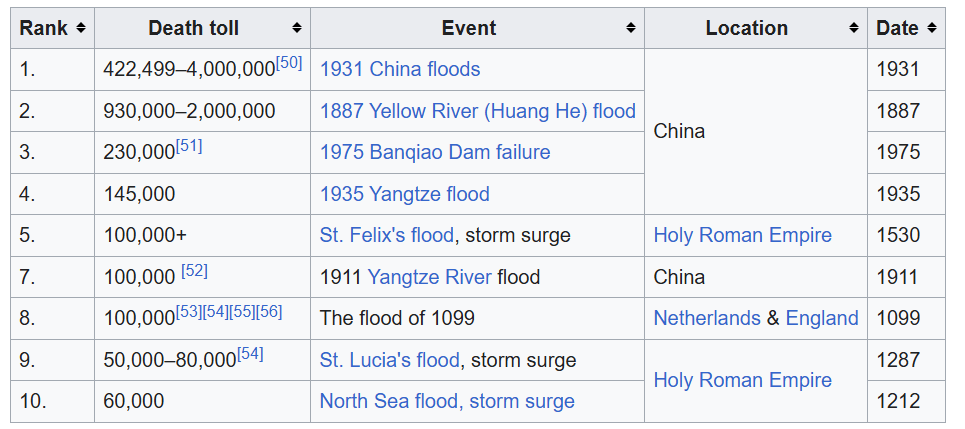
However, the Yellow River was also a major headache because it would flood, a lot. Every time the Yellow River flooded, it would wipe out villages and towns and lead to death tolls in the tens of thousands on average. Out of the top 10 deadlist floods in history, half of them were China.
4,000,000 deaths in 1931 is bonkers
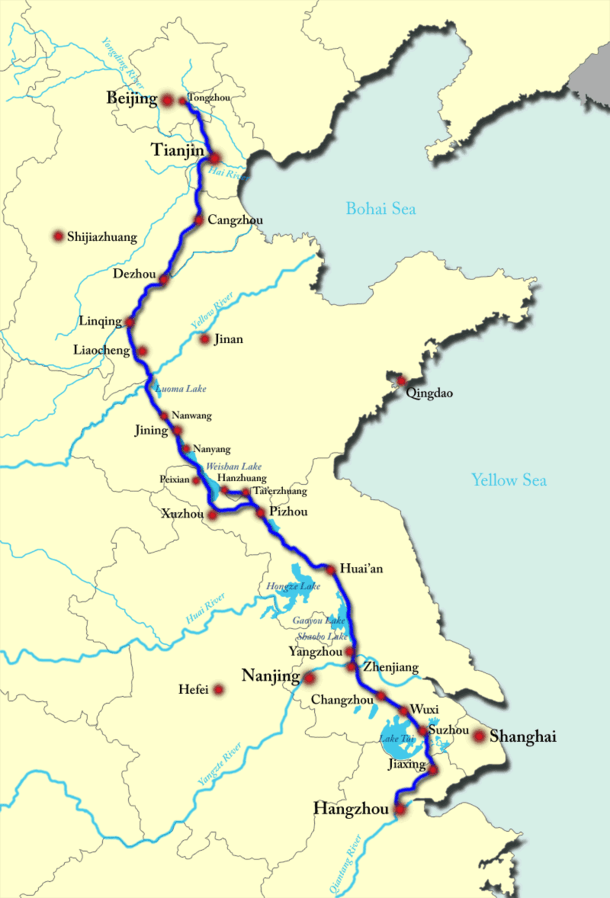
Out of survival necessity, Yellow River civilization produced some of the greatest feats of hydraulic engineering. They invented a lot of dams and dykes to contain the river, and also built this massive canal called the Grand Canal (京杭大运河 – jīng háng dà yùn hé; Jing as in Beijing and Hang as in Hangzhou).
The Grand Canal: A UNESCO World Heritage Site – 1,795 km long, with 24 locks and 60 bridges
The Grand Canal began construction in 487 BCE during the Qin Dynasty, and was fully completed in its current form of 1795 km in 609 CE. At nearly 10x the length of the Suez Canal, the Grand Canal is the longest canal in the world, and dwarves all other canals by a significant margin (2nd longest is the Karakum Canal in Turkmenistan at 1376 km). Built entirely by hand, it is no exaggeration to say that this is a marvel of engineering.
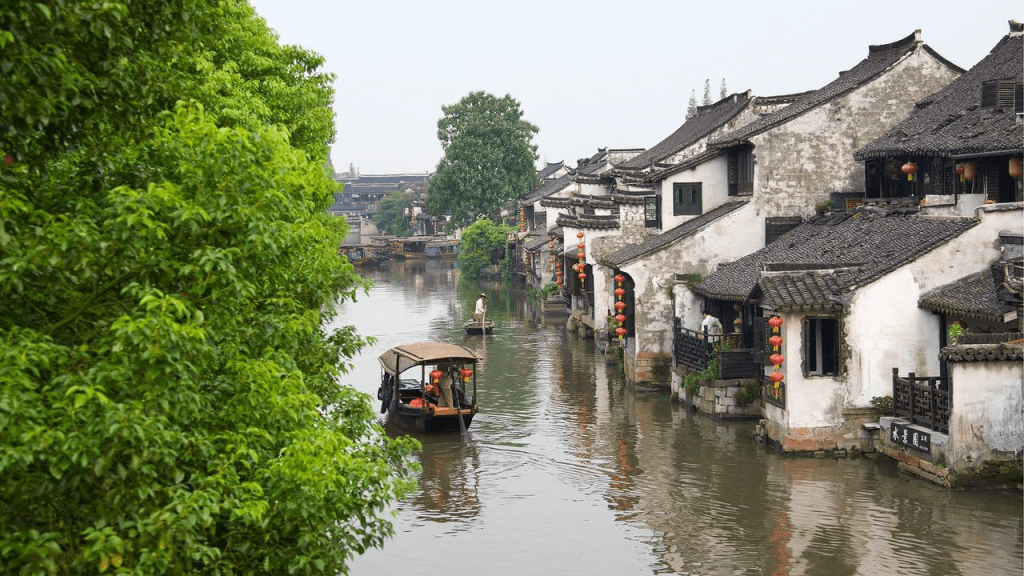
A section of the Grand Canal
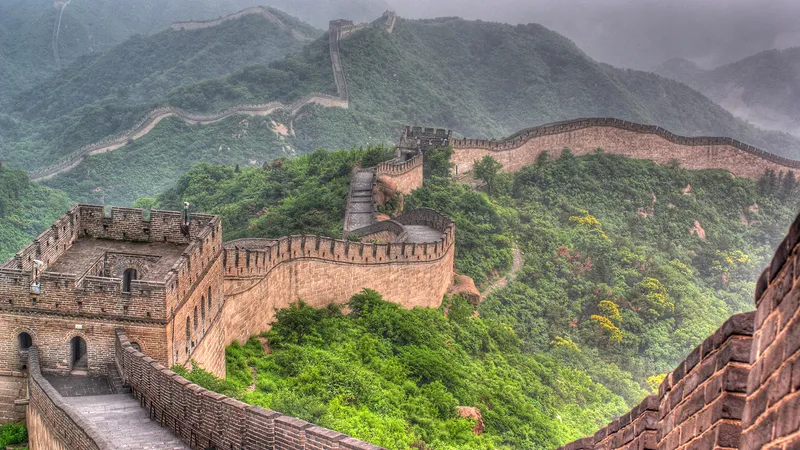
If the mention of the Grand Canal reminded you of the Great Wall, then you’re starting to see a pattern. The Yellow River civilization undertook massive architectural projects that shaped daily life of ancient Chinese. This would not have been possible without a highly hierarchical and bureaucratic social structure.
The Great Wall – another feat of incredible engineering built through the Qin, Han, and Ming dynasties, at the expense of millions of lives
Confucianism (儒家) and legalism (法家) emerged from such a social climate and further reinforced this traditional way of thinking. Though they were instrumental in ensuring social harmony in ancient Chinese society, by modern standards, they are considered to be archaic, inhumane, restrictive, and highly patriarchal.
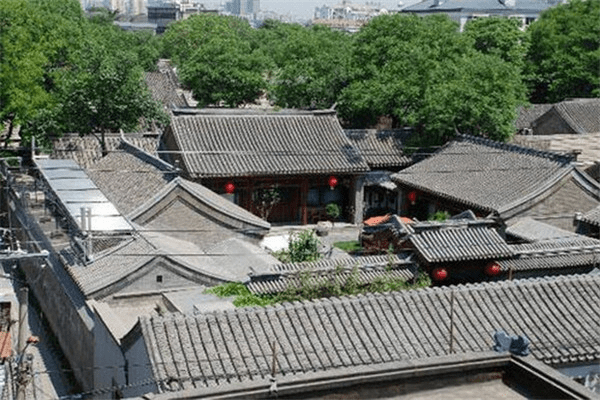
Typical courtyard homes (四合院 sìhéyuàn) in Beijing—built to withstand the harsh winters—are seen as bastions of traditional culture
Due to the climate in the Yellow River region, millet was the most suitable crop. The northern Chinese diet includes more noodles than rice and is often considered one of the less popular regional cuisines—among Chinese people themselves.
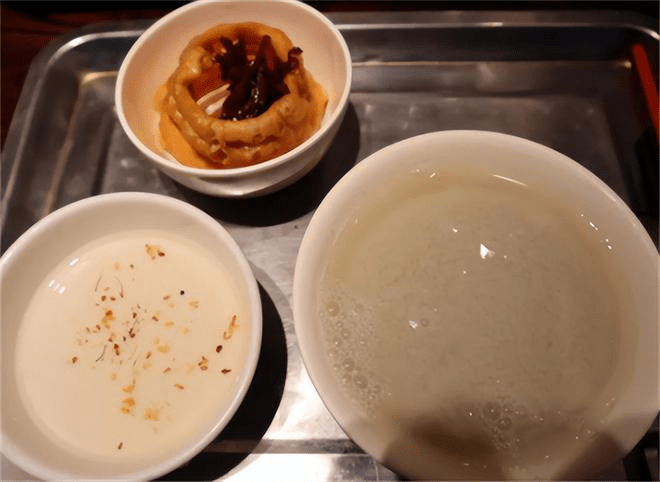
Average Beijing meal—basically prison food (and yes, Peking Duck actually originates from Shandong, not Beijing).
Managing crops under such conditions required large-scale irrigation efforts, which in turn led to tighter social control. With capitals (Chang’an, Luoyang, Beijing) historically being in the north to facilitate major trade routes to the silk road. Counties and cities in the Yellow River region were also among the first to be politically centralized, resulting in a stronger emphasis on order and traditions. Mandarin Chinese—the standard form of the language today—is also based on northern dialects, where many historical capitals were located. That said, northern Chinese people are often known for being warm, humorous, bold, and passionate.
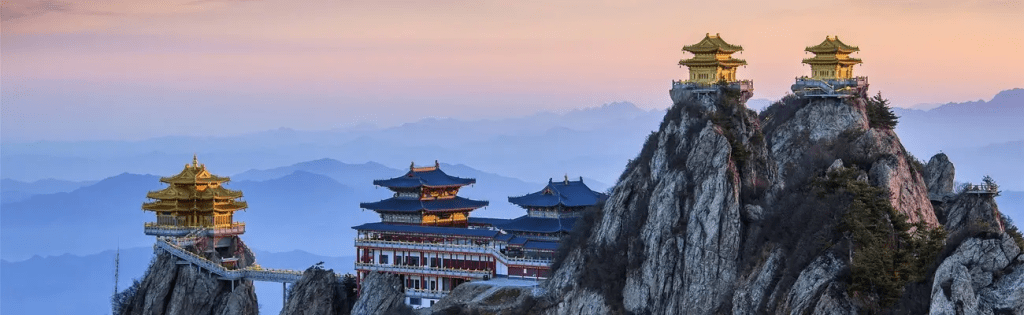
Laojun Mountain (老君山 lǎo jūn shān) in Luoyang, Henan Province
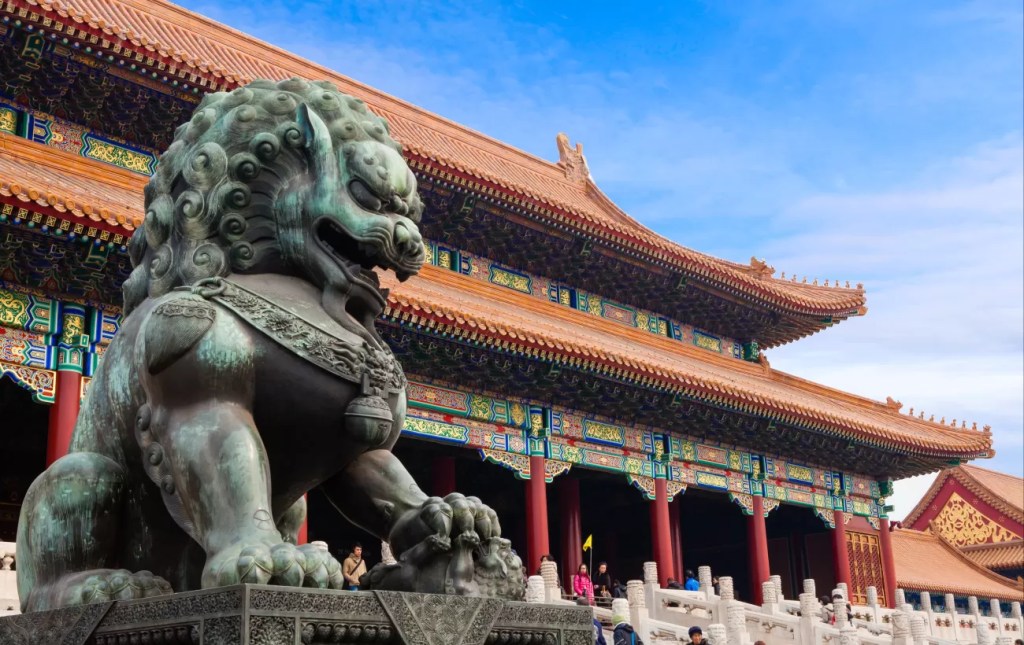
As the center of Chinese culture, the Yellow River area is home to many of the most significant relics in Chinese history and is widely regarded as the most defining region of Han Chinese identity.
Central China – Yangtze River Civilization (长江文明): Shanghai 上海, Hunan 湖南, Hubei 湖北, Sichuan 四川, Jiangsu 江苏, etc.
Yangtze River Region
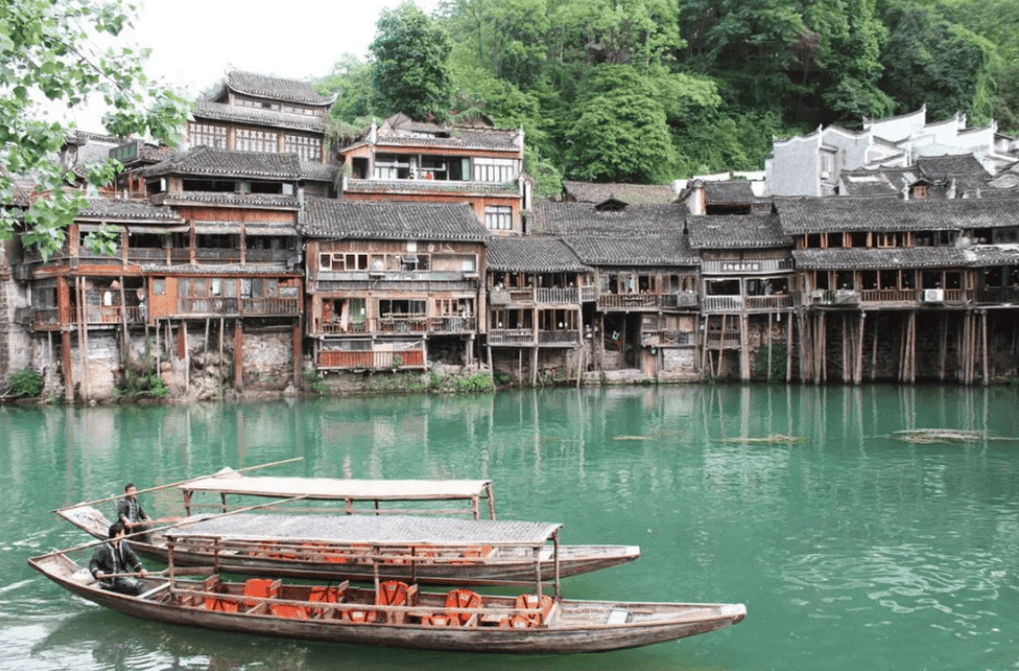
As the longest river in China, the Yangtze shares the title of one of the ‘Two Major Rivers of China’ alongside the Yellow River. Despite being only about 1,000 km from the Yellow River, the Yangtze River region has historically cultivated its own distinct identity. Thanks to the rich fertility of the Yangtze River basin, growing crops there has historically been much easier than in the Yellow River region. This fertility also comes with high humidity and rainfall, which influenced local architecture—leading to stilt houses designed to withstand damp foundations.
Chinese Stilt Houses (吊脚楼) at Fenghuang Old Town (凤凰古城)
People there enjoy access to wider variety of spices and ingredients. Rice is the preferred main dish (主食 – the staple carbohydrate always eaten with dishes, usually rice or noodles) here, unlike in the north where noodles are more common. Historically, rice farming has been a community-based effort. A single rice paddy required the coordinated management of multiple families, unlike millet fields in the Yellow River region, which could be managed by just one family, as long as flood controls were in place. This need for precise coordination and labor timing fostered stronger social harmony and more flexible cultural values in the Yangtze River region.
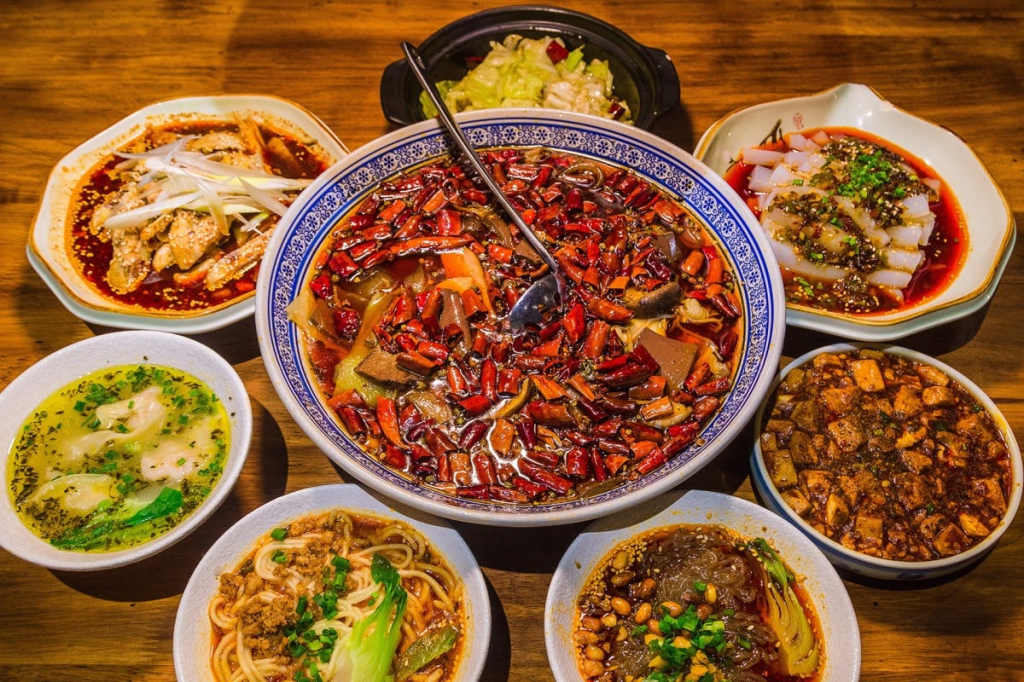
Sichuan cuisine is widely considered the best in China, iconic for its mala (麻辣) flavor – a numbing spiciness that defines many of its dishes.
Compared to their northern comrades, ancient people in the Yangtze region enjoyed a slower, more peaceful lifestyle, far removed from the hustle and bustle of the capital cities. As a result of this distance from centralized power, the Yangtze region developed a reputation for being relatively socially progressive. Some ancient tribes here practiced matriarchal systems. In certain minority groups, matrilineal heritage was common. This, again, ties back to rice farming: shared labor meant more equal roles between men and women. In contrast, the drier and harsher conditions of the north necessitated a more male-dominated labor force, with women traditionally staying home to care for children.
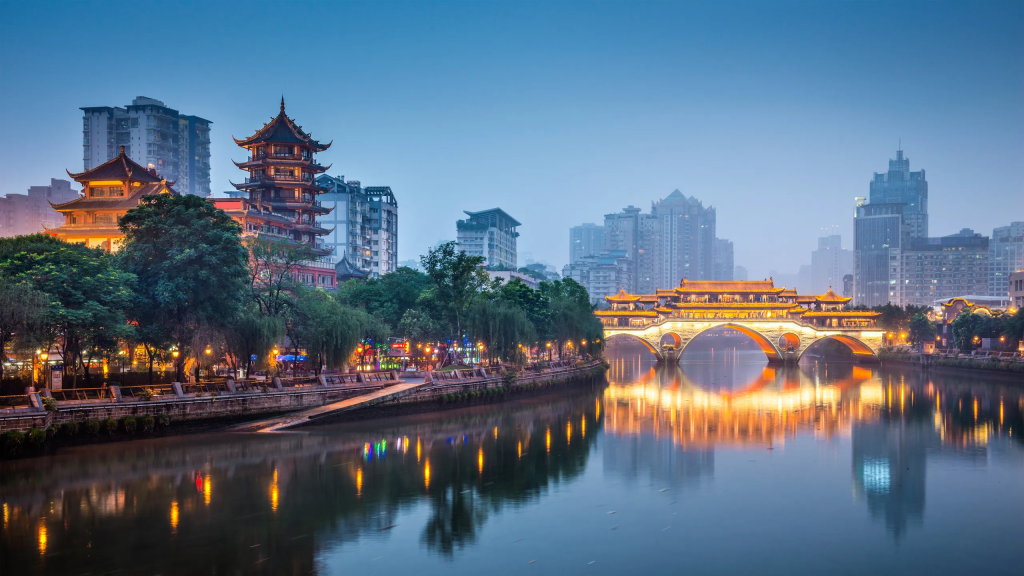
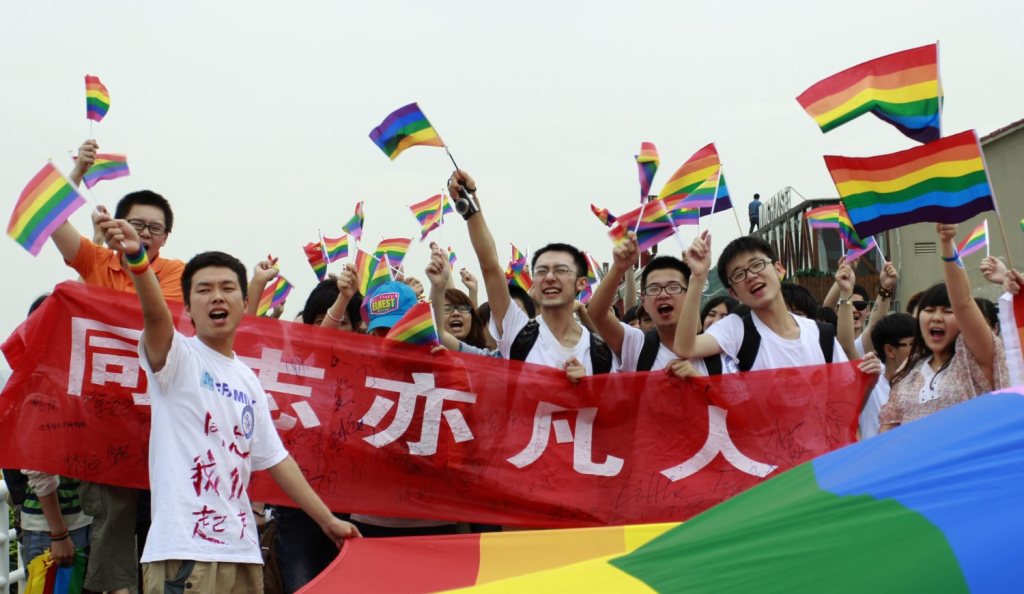
The progressive culture of the region continues today. Sichuan, for example, is known for its open-mindedness. Its capital city, Chengdu, along with neighboring Chongqing, is often called the “gay capital” of China – widely regarded as one of the most accepting places for LGBTQ+ individuals.
Chengdu, Sichuan – the gay capital of China.
The LGBTQ+ situation in China is complex. While it is a highly politicized topic in the West, the modern Chinese government tends to suppress anything seen as part of Western political discourse. From my understanding, same-sex marriage is not legal in China, but queer couples who marry overseas can have their marriage certificates recognized to some extent upon return. Trans individuals can legally change the gender marker on their government-issued ID, provided they undergo gender-affirming surgeries. Overall, aside from the lack of marriage rights, there is no criminalization of LGBTQ+ identities or activity. Social attitudes have improved significantly, especially among younger generations, but challenges remain. LGBTQ+ individuals in China still face immense social pressure to conform. Many queer youth, especially minors, suffer from depression, and tragically, suicides still occur. Even one life lost is too many. I hope that as the economy and living standards continue to improve, more attention will be given to important social issues such as LGBTQ+ rights and mental health. In conclusion, China is far from the worst place in the world for LGBTQ+ individuals, but also far from where it should be in 2025.
Anyway, back to the Yangtze River civilization! Many major female deities also originate from Yangtze River region mythology, such as Nüwa (女娲), the creator of humankind. Women have traditionally been held in higher regard in this region—at least compared to the north. Even today, there’s a common stereotype that Sichuan husbands are the best—they treat and spoil their wives very well. So whether you’re a man or a woman—if you want a Chinese husband, go to Sichuan. He’ll cook and clean for you.
The Yangtze River region is also famous for producing tea, silk, porcelain, and traditional medicine.
Fun fact: both of my parents grew up in Jiangxi Province (江西, lit. “River West”), which lies right between the Yangtze River region and the (upcoming) Lingnan region.
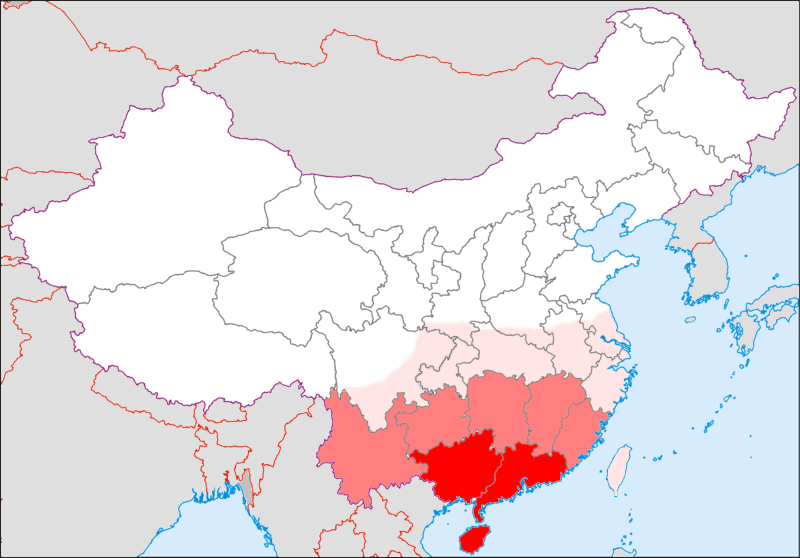
Southern China – Lingnan Civilization (岭南文明): Guangdong 广东, Guangxi 广西, Fujian 福建, Hainan 海南, etc.
The Lingnan civilization began on the southern coast of China, a region with a tropical climate. It was historically home to the Baiyue people (百越), known for their distinctive languages, customs, and cuisines. Lingnan civilization has a shorter recorded history—about 1,000 years less than that of northern (Yellow River) and central (Yangtze River) China—starting around 2000 BCE. It was conquered during the Qin Dynasty and fully incorporated during the Han.
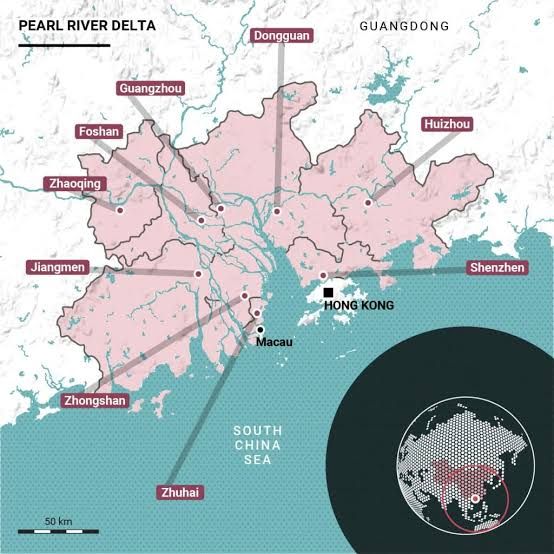
Some of you may be familiar with one of the southern Chinese languages—Cantonese (广东话)—whose English name references both the modern-day province of Guangdong (广东) and the city of Guangzhou (广州), my hometown. It also goes by a few other names: Baihua (白话, lit. “plain speech,” referring to the everyday spoken language of the people as opposed to Wenyanwen [文言文], the classical written language), and Yueyu (粤语, “language of the Yue”). Most commonly, it’s called Guangdonghua / Gong Dong Wa (广东话), meaning “language of Guangdong.” It’s mainly spoken in the Pearl River Delta region—places like Guangzhou, Shenzhen, Foshan, Hong Kong, and Macau—as well as by the Cantonese diaspora around the world, who make up the largest group of overseas Chinese.
The Pearl Delta Region
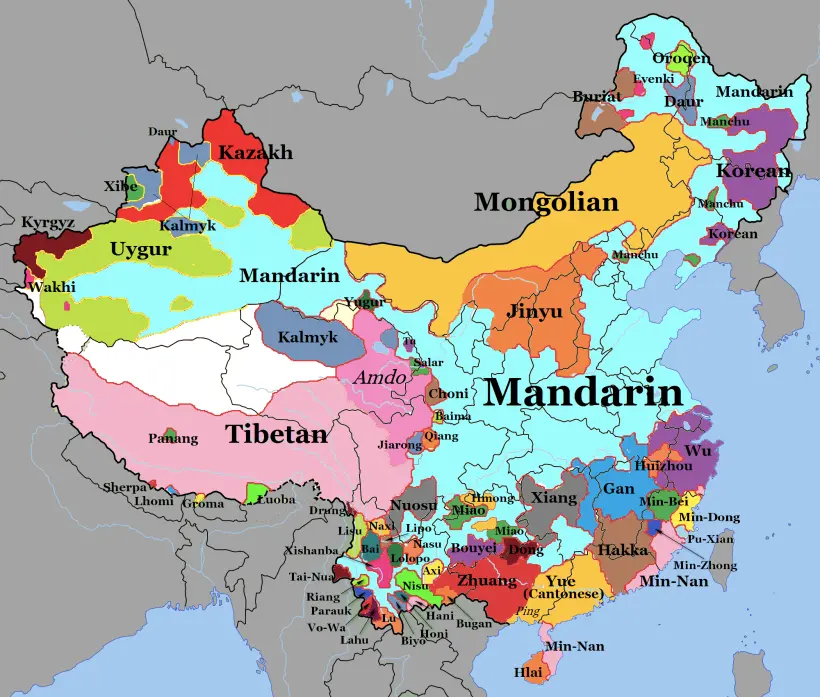
A common misconception is that Chinese is a single language. Most non-Chinese people may be aware of Mandarin and Cantonese. But East Asians—or well-informed foreigners—know that China is home to hundreds of regional languages that trace back over 5,000 years, including Dongbeihua (东北话), Beijinghua (北京话), Sichuanhua (四川话), Shanghainese (上海话), Hakka (客家话), and Min (闽南话), among others.
Languages of China
Here’s a little secret that only we Cantonese speakers know—there are countless local dialects even within Cantonese itself. Different strains of Cantonese are spoken throughout Guangdong Province, including Toisan (台山), Hoiping (开平), Enping (恩平), and of course, Hong Kong (香港). These dialects have developed their own unique accents and vernaculars—comparable to how American English varies across different regions of the U.S.
Historically, the Pearl River region has been one of China’s fastest-growing areas, serving as a key trading port. Even today, Guangzhou (广州) remains one of China’s largest trading hubs, attracting foreign investors and workers annually. It is also among China’s most ethnically diverse cities—unlike many inland cities, where foreigners are rarely seen outside of tourist areas.
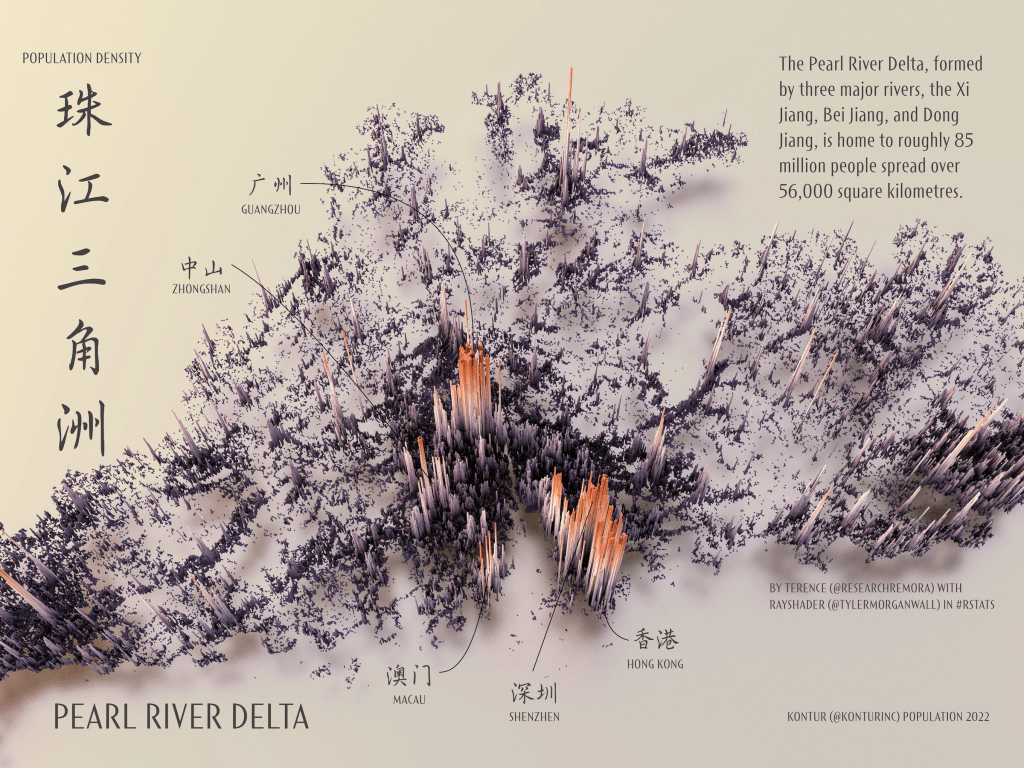
Guangzhou (广州), Shenzhen (深圳), and Hong Kong (香港) are Asia’s major centers for trade, technology, and finance, with GDPs of approximately $550 billion, $500 billion, and $360 billion, respectively. Together, these three cities’ combined economic output rivals that of countries like Italy, Canada, Brazil, and South Korea. This region also boasts the world’s largest interconnected urban population—around 85 million—twice the size of the massive Tokyo-Yokohama metropolitan area in Japan, where I currently live.
Historically, being far from the northern capitals allowed the south to benefit from more relaxed economic and trade policies. While the north faced harsh conditions—dry soil, constant defense against nomadic invaders, and administrative burdens—the south thrived with abundant food from farming and fishing, easy access to foreign goods through trade, and a generally slower, more relaxed lifestyle.
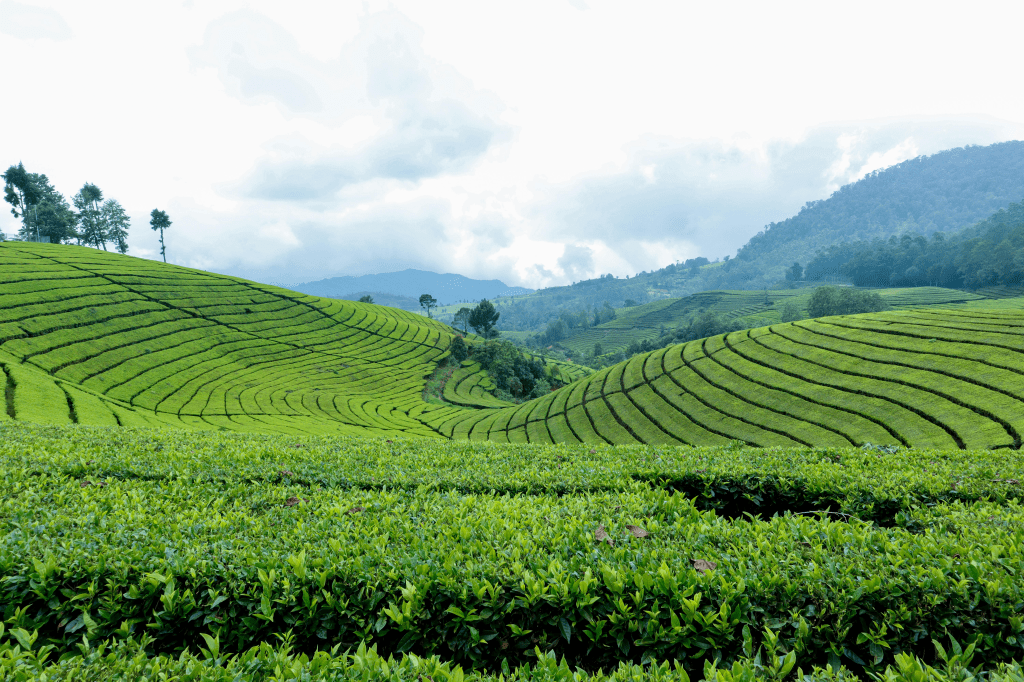
Yunnan Province, southwest China – known for their excellent tea production
The southern Chinese landscape, ideal for farming crops, tea cultivation, and fishing, has led to a richly diverse cuisine. Cantonese cuisine is widely regarded as the second-best in China (#1 in my heart). It is generally milder and healthier, emphasizing steaming to preserve natural flavors, unlike Sichuan cuisine which relies heavily on herbs and spices.
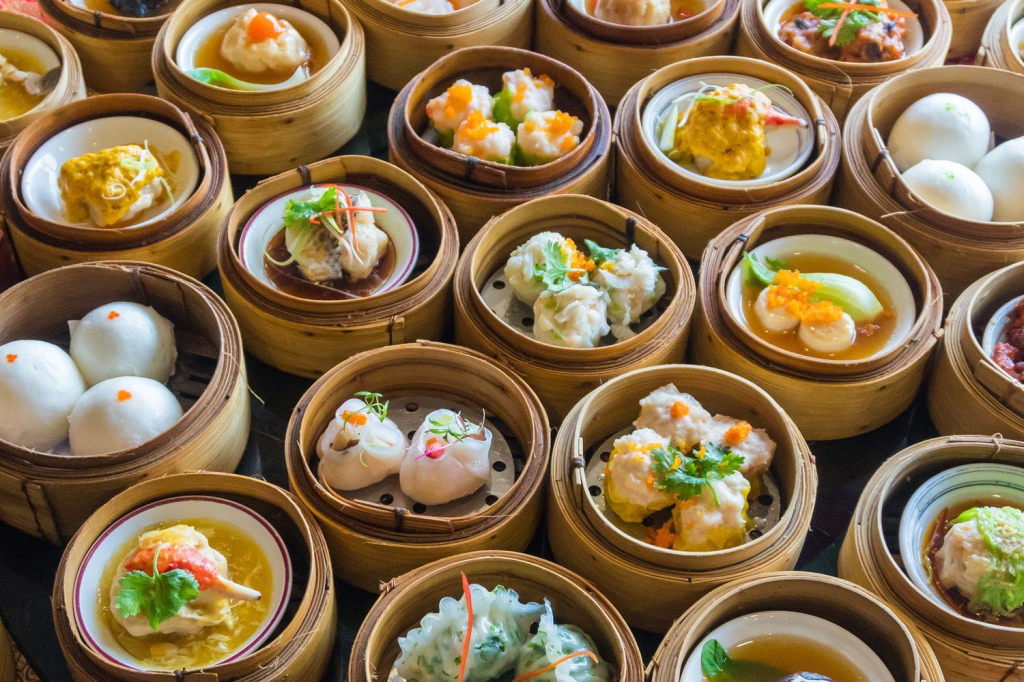
Famous Cantonese dishes include dim sum, which highlights bite-sized portions and variety.
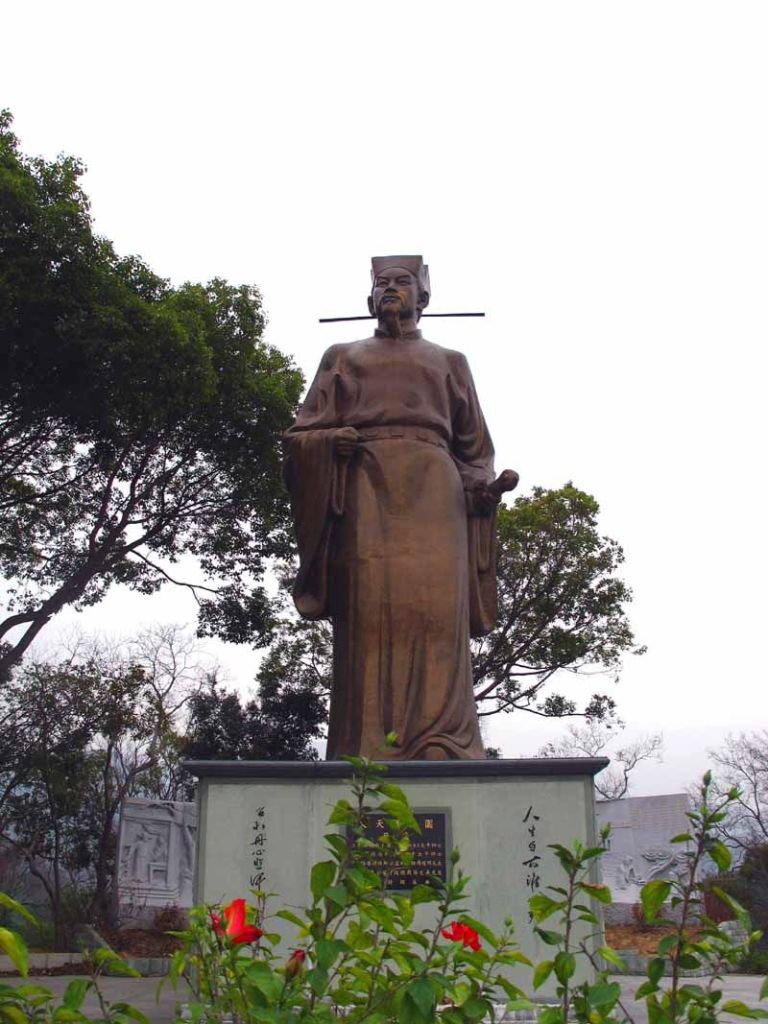
The mild climate, healthy food, and relaxed lifestyle have deeply influenced the culture and people of southern China. During later dynasties such as Tang, Song, Ming, and Qing, southern China (from the Yangtze River to the Lingnan region) produced many remarkable poets and scholars, including Yang Wanli (杨万里) and my ancestor Wen Tianxiang (文天祥), the Duke of Xin (信国公)—a statesman, poet, politician, and cultural hero from Jiangxi province.
Wen Tianxiang (文天祥)’s statue in Hong Kong
Unlike the tough northern Yellow River region, the south’s relaxed environment, free from traditional constraints, greatly inspired scholarly pursuits. Emperor Yongzheng of the Qing dynasty once said:
“山陕之人当佩服江浙之文,江浙之人当推重山陕之武。” “People from the Shan–Shaan (northern) region should admire the culture of Jiang–Zhe (southern) scholars, and southern Jiang–Zhe people should respect the martial spirit of the northern Shan–Shaan region.”
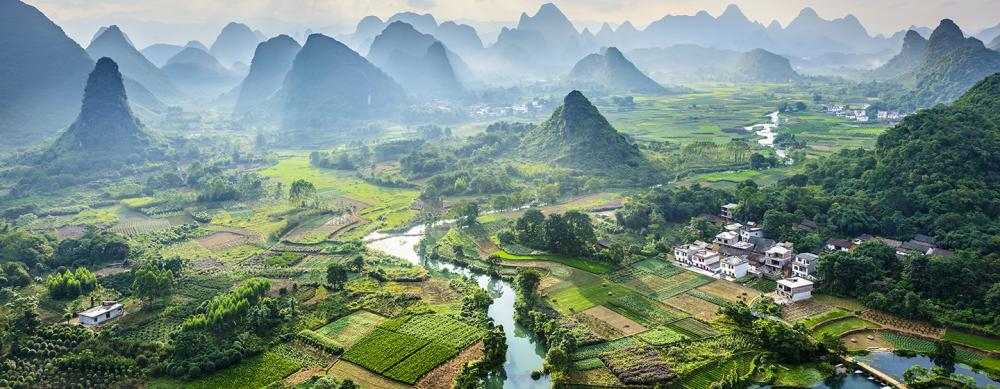
Southern China landscape of Guilin – lush network of greeneries and rich rivers
In broad terms, northerners are seen as tall, strong, tough, and skilled in combat, while southerners tend to be shorter, gentler, and more scholarly.
Here is an infographic of stereotypes between what’s considered “handsome” in the north and south
Northern Chad: straightforward, direct, manly, decisive, blunt, doesn’t waste time on small talk — the “top.”Southern Softboy: indirect, considerate, soft-spoken, a good listener who lets others express themselves — the “bottom.”
Though both regions have produced outstanding warriors and scholars, this remains a common stereotype.
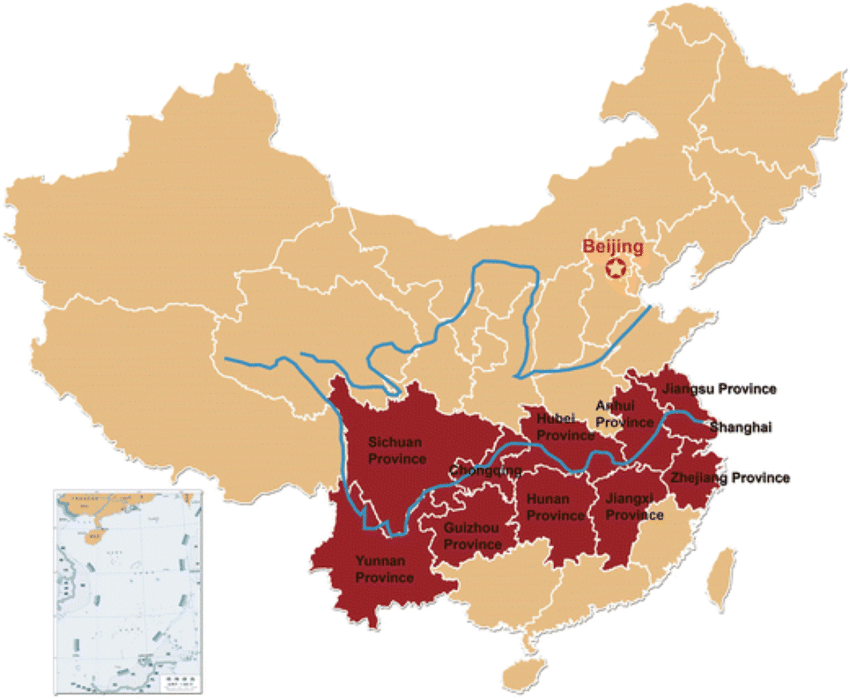
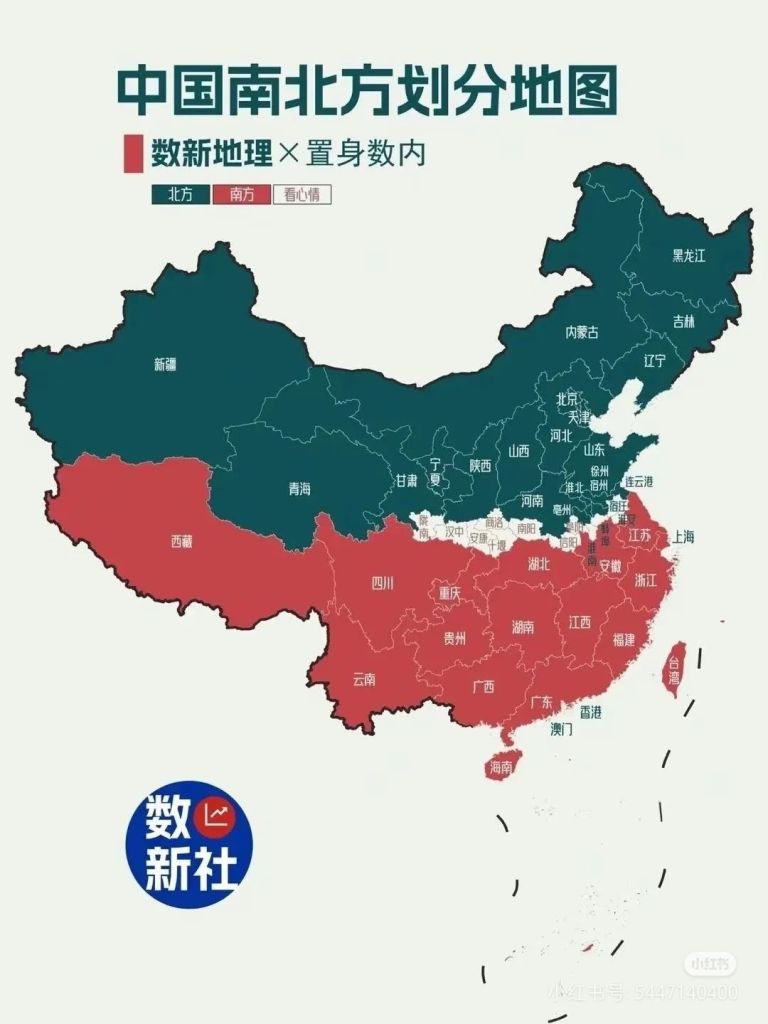
The North and South Divide
Green = Northern Chinese provinces; Red = Southern Chinese provinces (and Taiwan; while not part of “China”, their culture does stem from Southern Chinese culture); White = up to your mood
Historically, China valued scholars (文人) over warriors (武人) in social rank and government.
In this meritocratic and elitist society, literacy was a mark of refinement, still respected today. Even top generals had to mind their tone when addressing a scholar in the imperial court. Military officers (武官) were often viewed as less cultured compared to civil servants (文官).
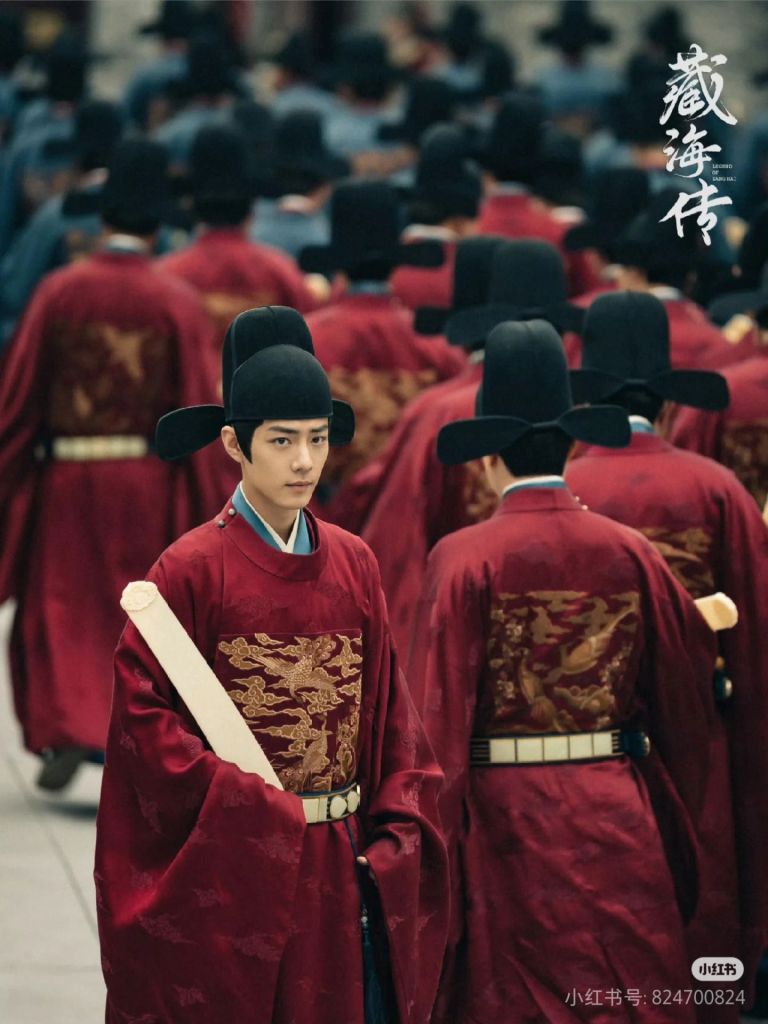
Civil Servants – the most prestigious occupation of ancient China
Civil servants held the highest prestige in ancient China.
This attitude persists today — many Chinese parents prefer their children to become scholars rather than athletes, valuing intellectual achievement and career prospects. Of course, excelling in both civil knowledge/scholarship and military skills/athletics (文武双全, Wen Wu Shuang Quan) remains as a gold standard for “peak performance”.
That said, most civil servants (文官) actually came from northern regions — Zhejiang, Shanghai, Shanxi, Shaanxi, Beijing, Hunan, and Hubei — thanks to their proximity to the capital, shared philosophical traditions, and fluency in the official northern language.
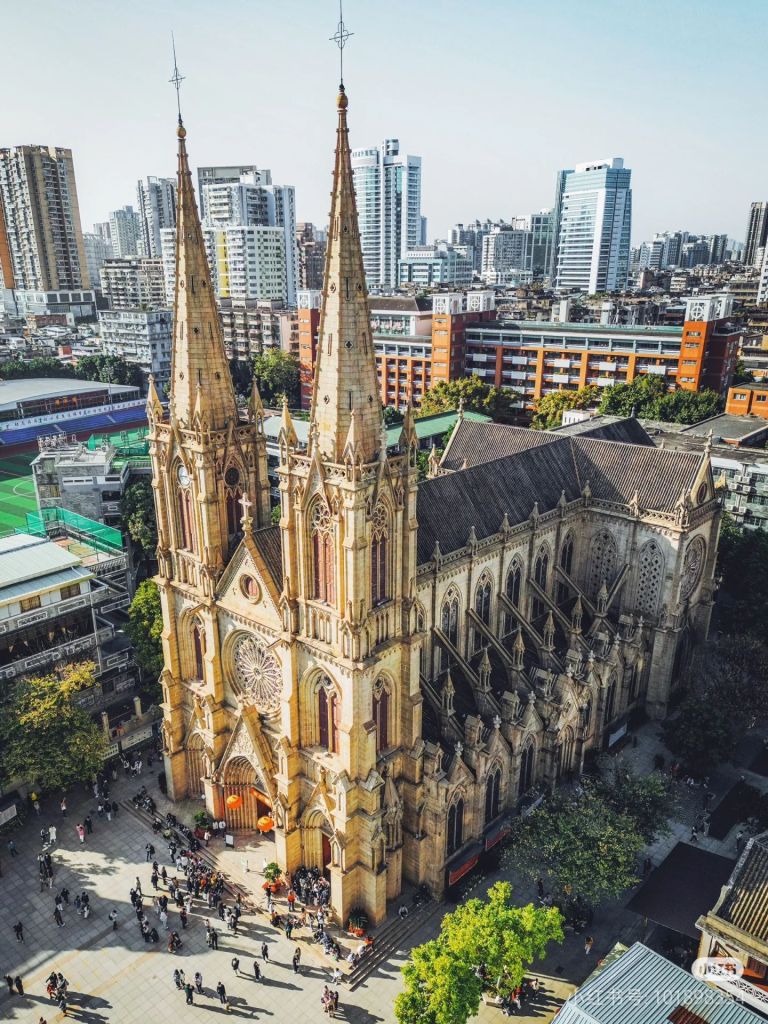
Southerners, historically more open to foreign culture, less attached to central authority, and more progressive, often embraced new ideas first, including Christianity..
Guangzhou’s Sacred Heart Cathedral (广州圣心大教堂) stands as a symbol of the city’s western influences.
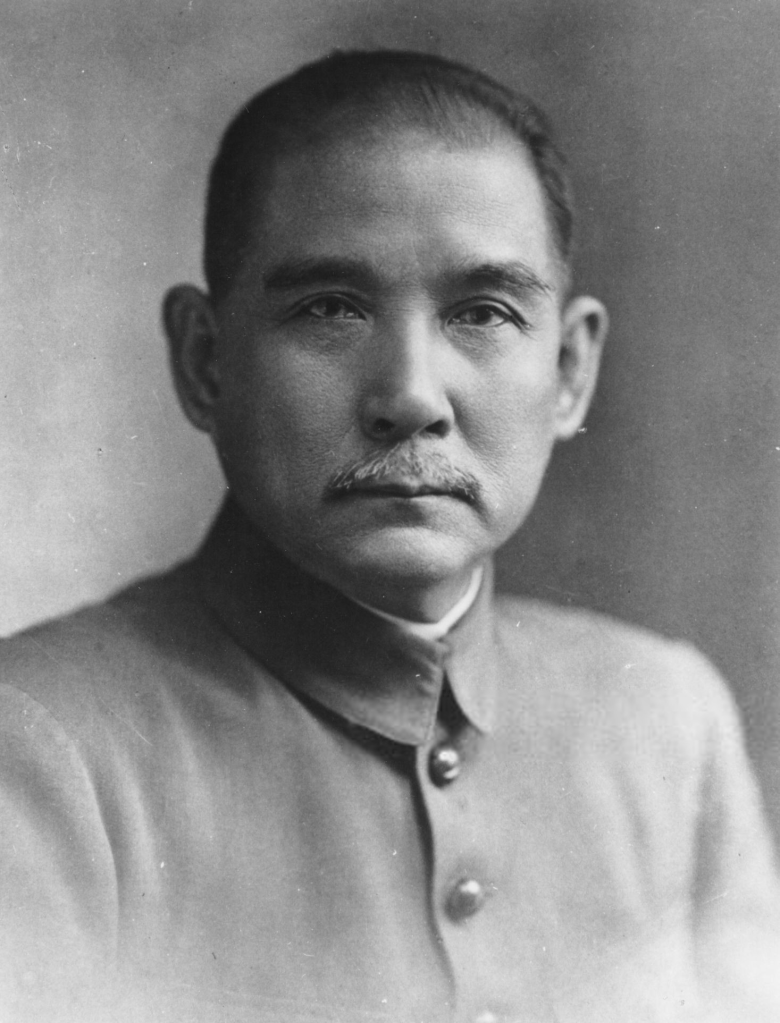
An example of Southern Chinese philosophy can be seen from the 1911 Xinhai Revolution (辛亥革命) that ended imperial China. It was led by Dr. Sun Yat-sen (孙中山) from Zhongshan, Guangdong. The 1925-1926 anti-colonial strikes also began in Guangzhou and Hong Kong. In 1980, Deng Xiaoping designated Shenzhen as one of China’s four special economic zones, making it the most successful, likely because of its proximity to Hong Kong.
Dr. Sun Yat-sen, born in Zhongshan and educated in Hawaii, completed his medical degree in Hong Kong. He was a revolutionary who overthrew the corrupt Qing dynasty and founded the Republic of China. Both China and Taiwan honor him as the “Father of the Nation” (国父).
Architecture
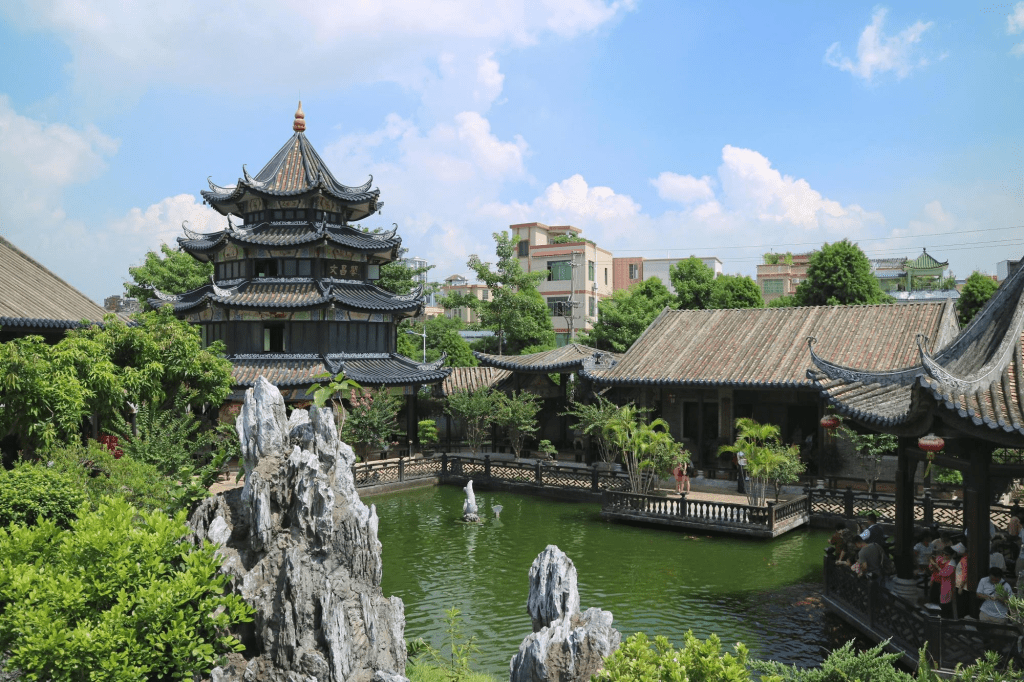
The Lingnan region is known for its Lingnan Gardens (岭南园林), typically smaller than Jiangnan gardens (south of the Yangtze River in Shanghai, Suzhou, Hangzhou), emphasizing rock art and plants — inspiring poetic creativity.
Lingnan Garden
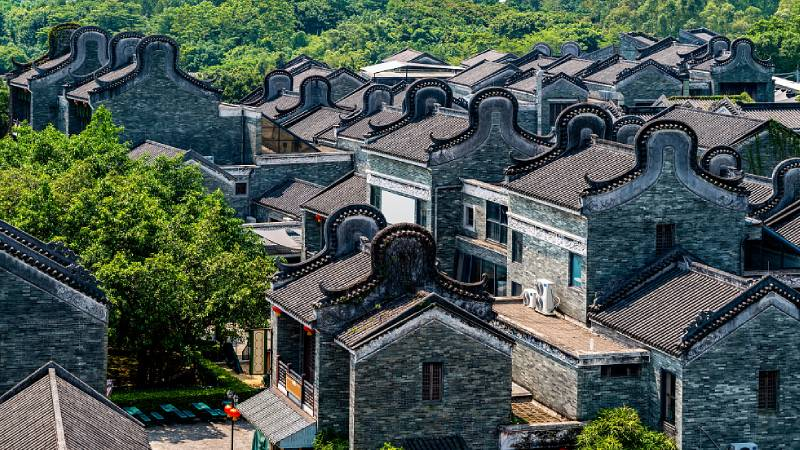
Of course, this is not what an average person would live in. A typical house is more like this:
Chaoshan Residential House (潮汕民居) in Chaoshan, Guangdong
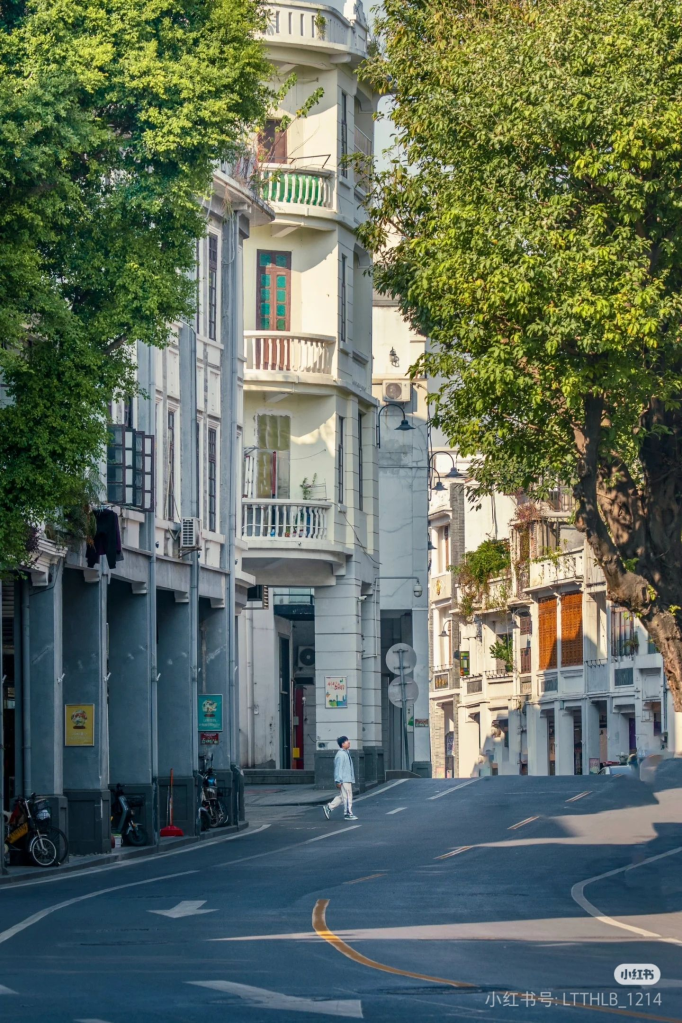
In cities with heavy western influences, such as Guangzhou, a style of building called Qilou (骑楼) can also be found. They came from the colonial eras and have a mix of western and eastern aesthetics.
Guangzhou’s Qilou
Guangdong people are known for being business savvy. Historically and today, many are merchants involved in international trade. This constant global exchange fostered openness to foreign cultures, less common in central and northern China.
This global connection also made it easier for southerners from Guangdong, Fujian, and especially the Pearl River Delta (Guangzhou, Foshan, Shenzhen, Macau, Hong Kong) to immigrate abroad. Most of the Chinese diaspora worldwide originates from southern China, with migration waves spanning the 19th and 20th centuries due to economic hardship, corruption, colonialism, foreign pressure, and the Opium Wars.
Many moved to Malaysia, Singapore, Thailand, North America, etc. Later waves came during WWII and the early Communist era. Chinese communities abroad in the USA, Canada, UK, Singapore, Taiwan, Indonesia, Australia, and beyond each have their unique migration stories.
As China grows stronger and more stable, I hope future migration is driven by freedom and curiosity, not necessity—a trend already emerging.
Conclusion
Yeah, I spent significantly longer writing about Lingnan civilization and southern Chinese culture, because that is my own culture 🙂 Thanks for noticing! Haha!
China is geographically vast, with 56 ethnicities split between 1.4 billion people, who speak over 300 distinct languages, and even more regional dialects within them. It is a country that was unified 2400 years ago that, despite shared ancestral roots and a national cultural identity, was able to develop distinct cultures separately.
The provincial and regional bond is so strong, that when Chinese people meet each other, whether in China or abroad, the first question is usually: “Where are you from?” (你哪里人?). If they meet someone from their home province – or better, hometown, then “老乡见老乡,两眼泪汪汪” (lit. “When people from the same hometown meet, tears well up in their eyes.”) The instant connection and emotional bond Chinese people feel when they meet someone from their hometown, especially in a faraway place, creates camaraderie.
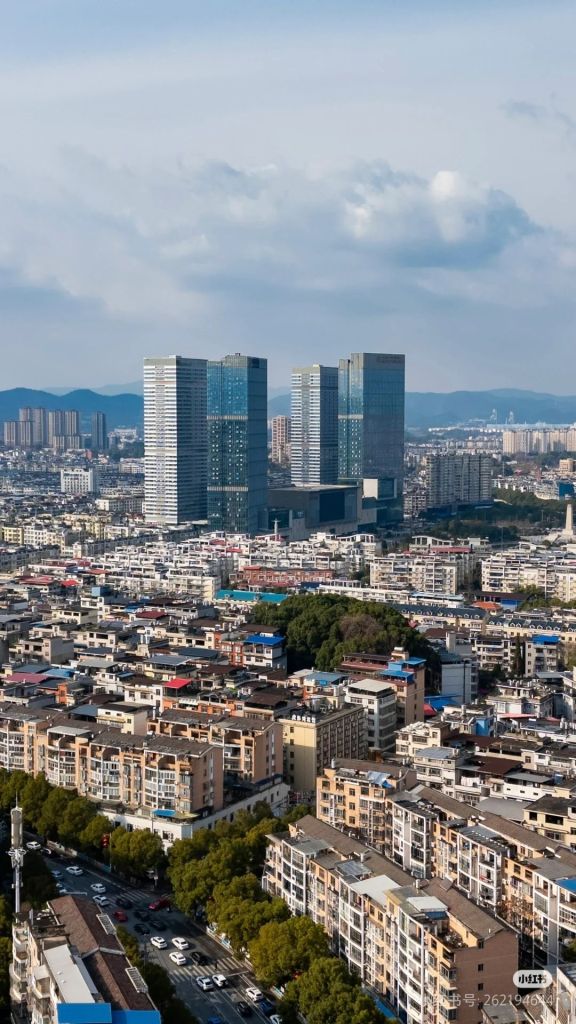
Story time: when I (3rd grade) used to live in Richmond, B.C., my dad came to pick me up from elementary school. After hearing my classmate’s mother say one sentence in mandarin, he immediately could tell from her accent that she was from my parents’ hometown, or at least nearby. He approached them and asked if they were from 江西 (Jiangxi province), and to his surprise, their hometown is 萍乡 (Pingxiang City – a tier 5 city with a million people that no Chinese person would have ever heard of), where my parents grew up. Overjoyed by this discovery, my dad got their contact information and our families quickly became friends.
Meeting other people from Guangzhou in Vancouver is not a rare occurrence, as Guangzhou is a big city and people from there move abroad all the time. But to meet someone from Pingxiang in our neighbourhood? Incredible.
Pingxiang City, Jiangxi Province(江西, 萍乡)
My mother also regularly attends gatherings with the 温哥华江西同乡会 (Vancouver Jiangxi Hometown Association). Chinese people really love their hometown folk gatherings abroad.
Anyways, this has gone on for long enough. I hope you learned something interesting!


 David's Blog
Leave a comment